

Category: Technology
-

How Scientists Aim to Transform Plastic Into Food: The Fungi Mutarium Breakthrough
In a world overwhelmed by plastic waste, a group of scientists and designers have imagined a radical solution: what if we could transform plastic into food? That’s exactly the idea behind Fungi Mutarium, an experimental biotechnology project that explores how fungi can digest plastic and grow into edible matter. While the concept sounds like science…
-

Health-Monitoring Tattoo: A New Era in Personal Wellness
Imagine if your skin could alert you when something inside your body goes wrong. Not through an app or wearable device, but through a subtle shift in the color of a tattoo. That’s no longer science fiction—it’s an emerging technology that merges body art with real-time health data. The health-monitoring tattoo is not just about…
-

The Swallowable Origami Robot: Revolutionizing Medicine from the Inside
Medicine continually evolves with innovations, each aiming to be less invasive yet more effective. One of the most remarkable breakthroughs recently introduced is the swallowable origami robot—a tiny, ingestible robotic device capable of unfolding inside the human body to perform medical tasks without surgical intervention. This ingenious creation fuses cutting-edge technology with the ancient art…
-

Monitoring Hive Wellness: Beehive Health Monitoring Technology Revolutionizes Apiculture
Honeybees are vital to agriculture and ecosystems worldwide. Yet many colonies now struggle to survive due to diseases, parasites, environmental stress, and pesticide exposure. A new wave of innovation—beehive health monitoring technology—is emerging to help beekeepers track and protect hive well-being before problems escalate. What is Beehive Health Monitoring Technology? Beehive health monitoring technology refers…
-

The Cell Reprogramming Chip That Could Revolutionize Regenerative Medicine
Imagine touching a small device to damaged skin and watching the body heal itself—no invasive surgery, no complicated drugs, no foreign substances. That’s the remarkable promise behind a breakthrough in biotechnology: a cell reprogramming chip capable of turning ordinary skin cells into the building blocks of new tissues. Developed by researchers at The Ohio State…
-

Dancing Robot Technology: When Machines Learn to Groove
What happens when music meets robotics? In a small Greek lab, engineers recently introduced a groundbreaking performer—not a dancer in the traditional sense, but a robot designed to move with musical rhythm. Unlike industrial machines that perform repetitive tasks, this robot listens, adapts, and grooves to the beat. It’s a vibrant showcase of what’s now…
-

Is Overnight Phone Charging Safe for Your Battery?
Each night, millions of people around the world do the same thing: they plug in their smartphone before going to bed. It’s a habit so ingrained that we barely think twice. But a growing number of experts are raising an important question—is overnight phone charging actually safe for your device? While it seems convenient to…
-

How a Robotic Plant Pot Could Change the Way We Grow at Home
It might look like something out of a sci-fi film, but a new kind of plant caretaker is quietly taking root—literally. The robotic plant pot is not just a gadget for tech lovers or a gimmick for plant parents who forget to water. It’s part of a larger shift in how we think about sustainability,…
-

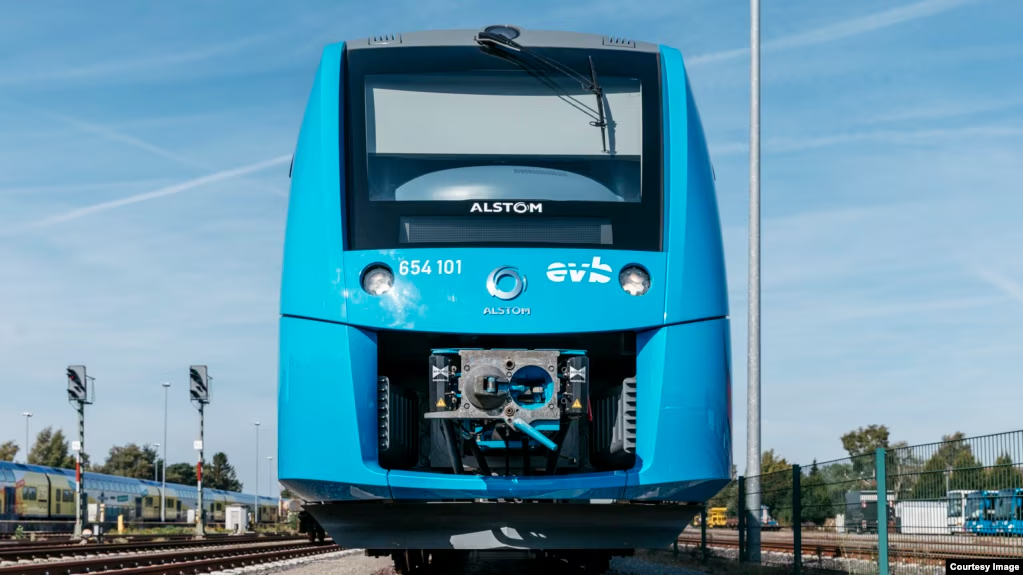
Germany’s First Hydrogen Train Marks a New Era in Eco-Friendly Rail
In a bold leap toward carbon-neutral public transportation, Germany has officially launched the world’s first hydrogen-powered passenger train. Operating through the state of Lower Saxony, this pioneering train offers a clean alternative to diesel-powered railcars, producing nothing but water vapor and quiet efficiency. The unveiling marks a turning point in how we think about regional…
-

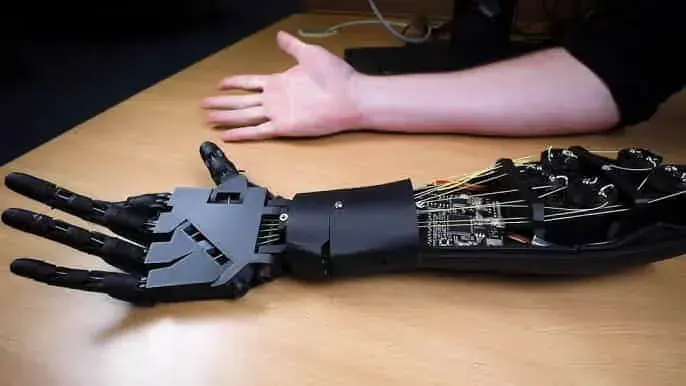
Brain-Controlled Prosthetic Arm: Merging Thought with Technology
In recent years, medical science and engineering have taken a leap into the future with the development of the brain-controlled prosthetic arm. This groundbreaking technology allows individuals with limb loss to operate a robotic arm using nothing but their thoughts. While it may sound like science fiction, this innovation is already transforming rehabilitation centers, research…
-

Tower That Absorbs Air Pollution in New Delhi: A Breath of Fresh Innovation
Air pollution in New Delhi has reached alarming levels, impacting millions of residents. Amid sky‑high pollutant concentrations, a new environmental breakthrough emerged: a tower designed specifically to absorb airborne toxins. This article examines how the technology works, why it matters, and what comes next for this innovative environmental solution. A New Weapon in the Fight…
-

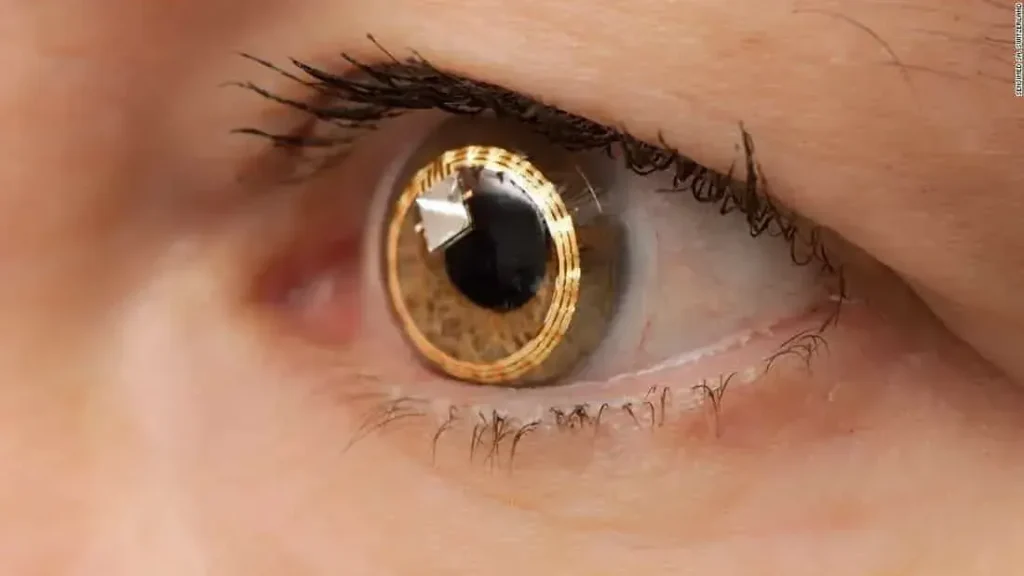
Smart Contact Lenses That Zoom: The Future of Vision Technology
Imagine adjusting your vision with just the blink of an eye. What once sounded like sci-fi is now edging closer to reality. Scientists have developed smart contact lenses that zoom, responding to simple eye movements. These revolutionary lenses may soon transform how we see the world—literally. This article explores the technology behind zoomable smart lenses,…
-

The Living Programmable Organism: Science’s Leap Into Bio-Robotics
In a groundbreaking scientific achievement, researchers have created the first living programmable organism—a microscopic biological machine that’s neither a traditional robot nor a naturally occurring organism. Known as Xenobots, these remarkable creations are made from living frog cells and were designed entirely using computer algorithms. With the potential to revolutionize medicine, environmental cleanup, and even…
-

Fan Noise Data Exfiltration: How Hackers Are Stealing Information Using Computer Cooling Systems
When most people think of cybersecurity threats, they imagine viruses, phishing emails, or hacked Wi-Fi networks. But a more silent and unexpected risk is emerging — one that uses sound instead of code, and air instead of networks. This new technique, known as fan noise data exfiltration, reveals just how inventive cybercriminals have become. At…
-

Plasma Thruster Engine: From Theory to Reality
Space exploration has always pushed the boundaries of science and engineering. In recent years, one of the most promising advancements in spacecraft propulsion is the plasma thruster engine. Once confined to theoretical research, this cutting-edge technology is now being developed and tested in real-world scenarios. With the potential to revolutionize space travel by offering high…
-

Aquaponics System: A Greener Way to Grow Food at Home
As cities grow and farmland shrinks, finding sustainable ways to produce food locally is more urgent than ever. One method that’s catching attention is the aquaponics system—a clever, symbiotic setup that lets you raise fish and grow plants together in a closed-loop environment. With more people looking to shrink their environmental footprint and grow healthy…
-

Amphibious Electric Tricycle: Redefining Eco Travel on Land and Water
What if your vehicle could pedal like a bike, cruise like a boat, and shelter you like a tent—all in one seamless package? The futuristic dream of a land-water hybrid has arrived with the amphibious electric tricycle, a vehicle that’s changing how we explore, travel, and live. Compact, solar-powered, and cleverly designed, it allows adventurers…
-

Electrical Letter Recognition for Blind Users: A New Era in Accessible Reading
For centuries, people with blindness have relied on tools like Braille, screen readers, and audio books to access written content. While these tools have played a transformative role, they also have limitations—cost, bulk, learning curve, and lack of privacy in public spaces. But now, a new innovation is emerging that could dramatically expand how blind…
-

Best Budget Smartphone Features: What Really Matters?
In a world saturated with tech options, choosing a phone can feel overwhelming. But if you’re not planning to spend a fortune, understanding the best budget smartphone features becomes essential. From processor power to display quality, even affordable models now offer impressive specs. Knowing what truly matters can save you hundreds of dollars while delivering…
-

Unlocking Sodium-Ion Battery Advantages for a Greener Future
As the push toward clean energy accelerates, sodium-ion battery advantages are capturing global attention. These alternatives to lithium batteries offer not only cost savings but also enhanced safety and environmental sustainability. From common salt to real-world electric vehicles, sodium is powering a quiet revolution—one that could reshape how we store and use energy in the…
-

Nuclear Fusion Breakthrough: Humanity Edges Closer to Limitless Energy
For decades, the dream of generating virtually unlimited clean energy through nuclear fusion has been one of science’s most ambitious goals. Today, thanks to remarkable progress in experimental physics and engineering, a major nuclear fusion breakthrough signals that this vision may soon become a reality. Scientists have made strides in replicating the process that powers…
-

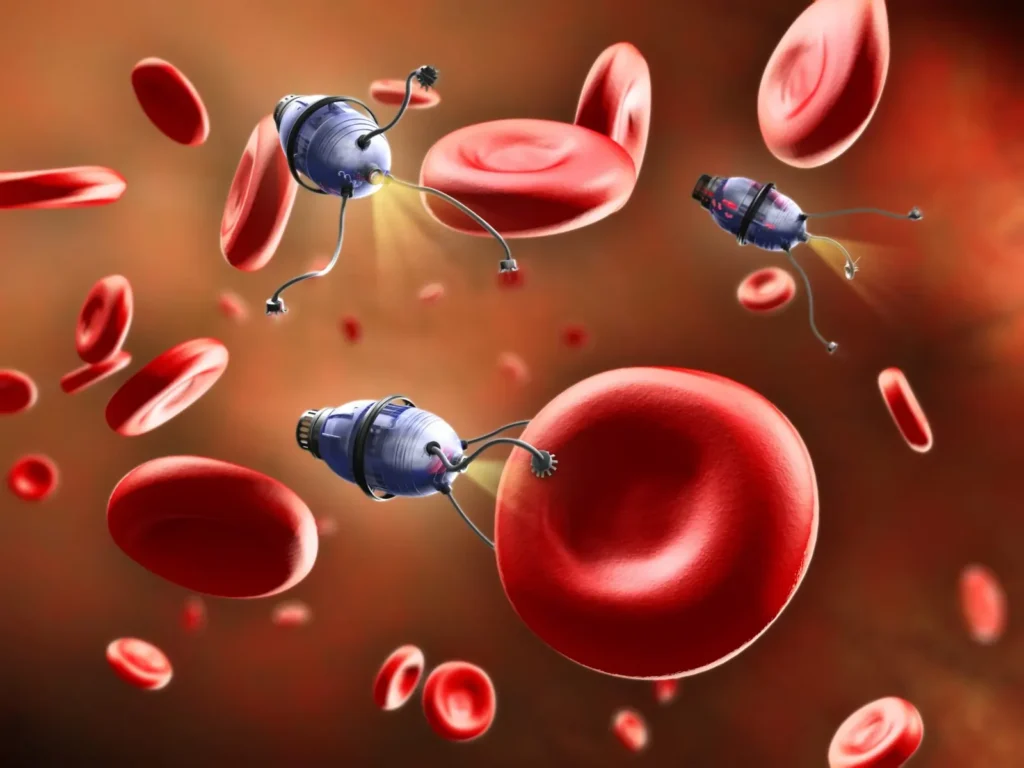
Nanomedicine Cancer Therapy: Transforming the Future of Oncology
In the fight against cancer, a powerful new ally has emerged—nanomedicine cancer therapy. Unlike traditional methods that often cause collateral damage to healthy tissues, this emerging discipline offers a precise, personalized approach to targeting cancer cells. Using nano-sized particles engineered to navigate the body with pinpoint accuracy, scientists are rewriting the rules of cancer treatment.…
-

Neuralink and the Future of Brain-Machine Interface Technology
n recent years, a revolutionary shift has begun in the field of neuroscience. This shift isn’t about simply understanding the brain but about bridging it directly with machines. At the center of this evolution stands Neuralink, the bold neurotechnology company founded by Elon Musk. Its mission: to pioneer breakthroughs in brain-machine interface technology and redefine…
-

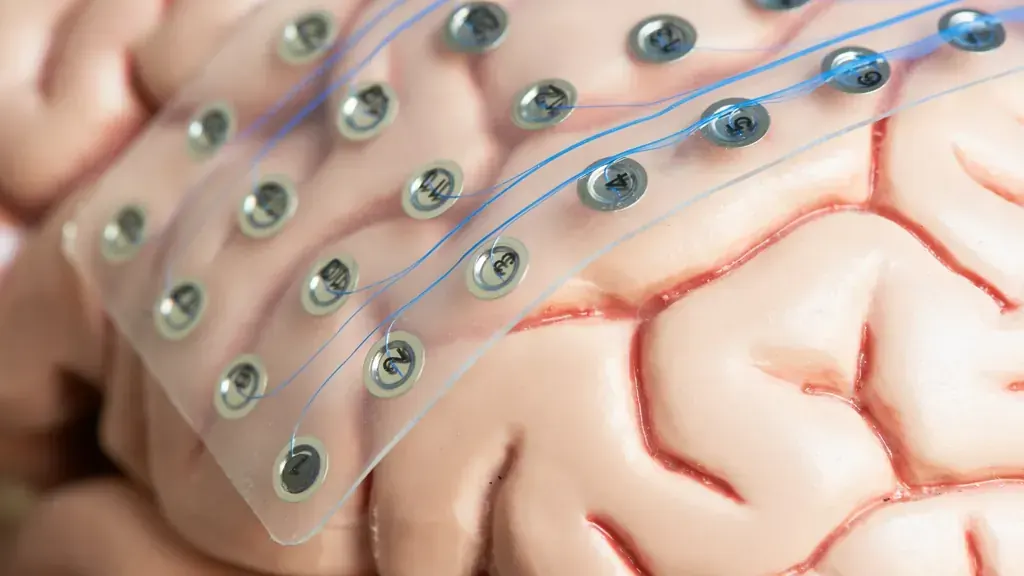
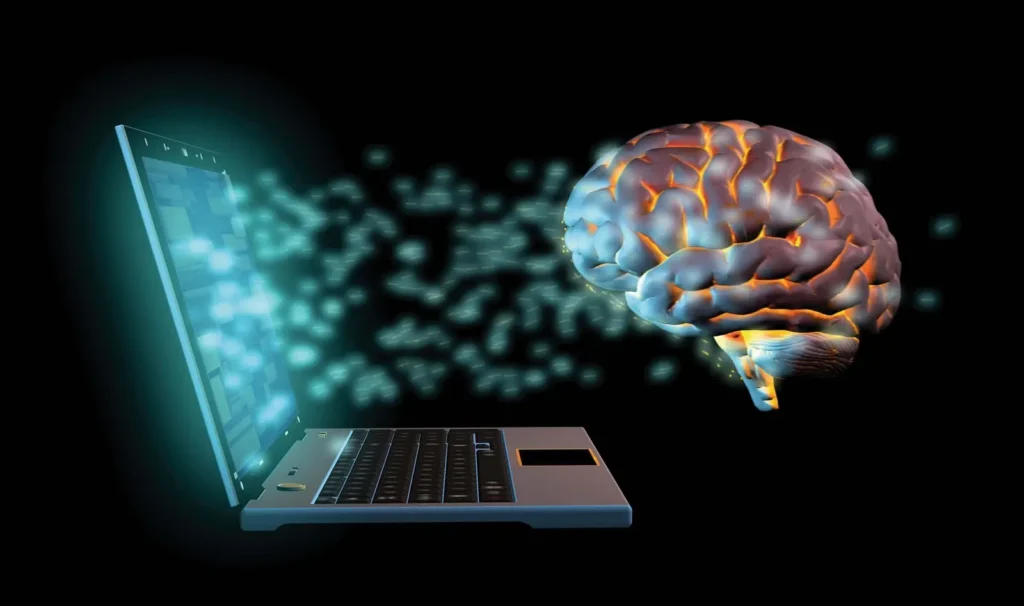
Brain‑Computer Interface via Blood Vessels: A New Frontier in Neural Tech
The idea of a brain‑computer interface via blood vessels is ushering in a new era of neurotechnology. Imagine controlling a computer or prosthetic limb not with invasive brain surgery but through a network of electrodes threaded gently into blood vessels. This approach, which drastically reduces medical risks, could transform the way we interact with machines…