
Category: Archaeology
-

🌊 Lost Beneath the Waves: Greece’s Submerged Ancient Cities
Beneath the azure waters of the Aegean and Ionian seas lie ghostly remnants of a forgotten past—submerged ancient cities in Greece that once bustled with life, trade, and culture. These drowned settlements are more than archaeological curiosities. They offer invaluable insight into prehistoric civilizations, seismic catastrophes, and the resilience of human societies. From the Bronze…
-

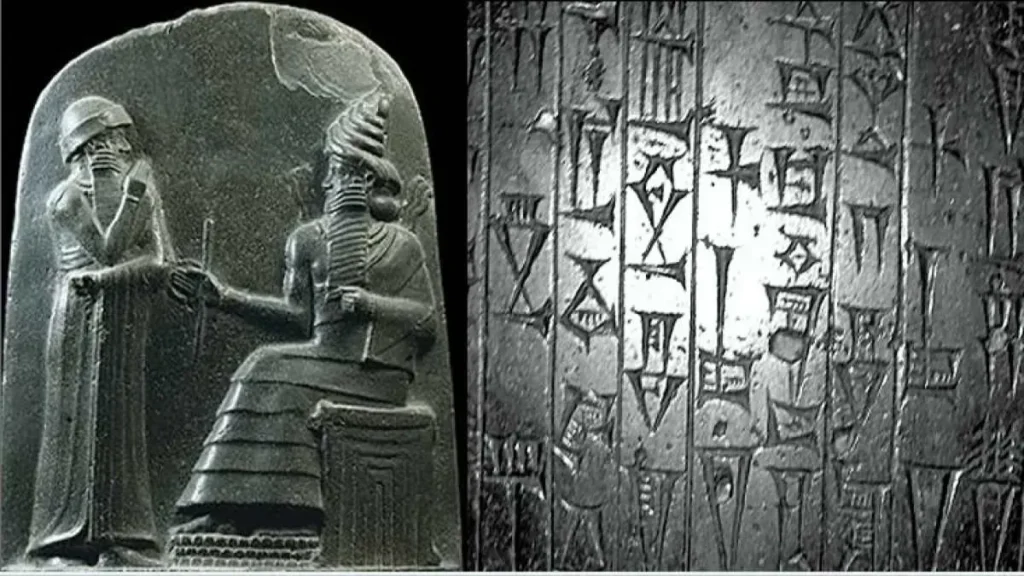
Hammurabi’s Code: Meaning, Origins, and Legacy of the World’s First Legal System
When people speak about the origins of justice, one name that continues to echo through the ages is Hammurabi. As the sixth king of Babylon, Hammurabi ruled from around 1792 to 1750 BCE and is best known for creating one of the earliest and most influential written legal systems in human history. The Hammurabi’s Code…
-

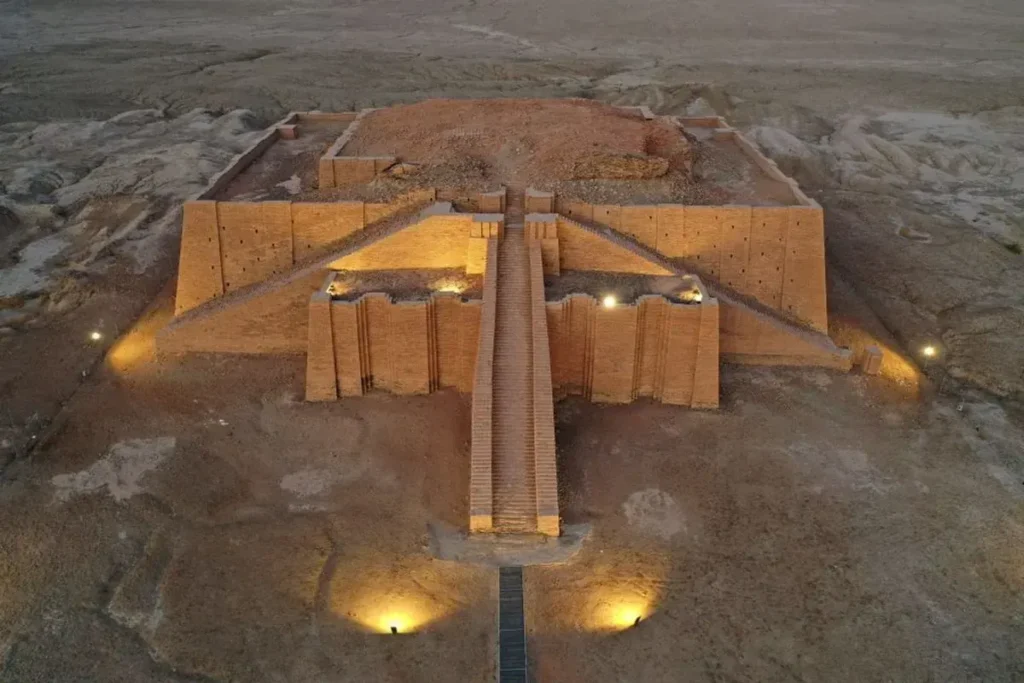
Queen Puabi Tomb: Mesopotamia’s Royal Mystery
In the scorching deserts of southern Iraq, beneath the ancient city of Ur, one of archaeology’s most astounding discoveries emerged during the 1920s. British archaeologist Leonard Woolley and his team, excavating what is now known as the Royal Cemetery of Ur, unearthed a tomb more opulent and mysterious than any ever found in Mesopotamia. Adorned…
-

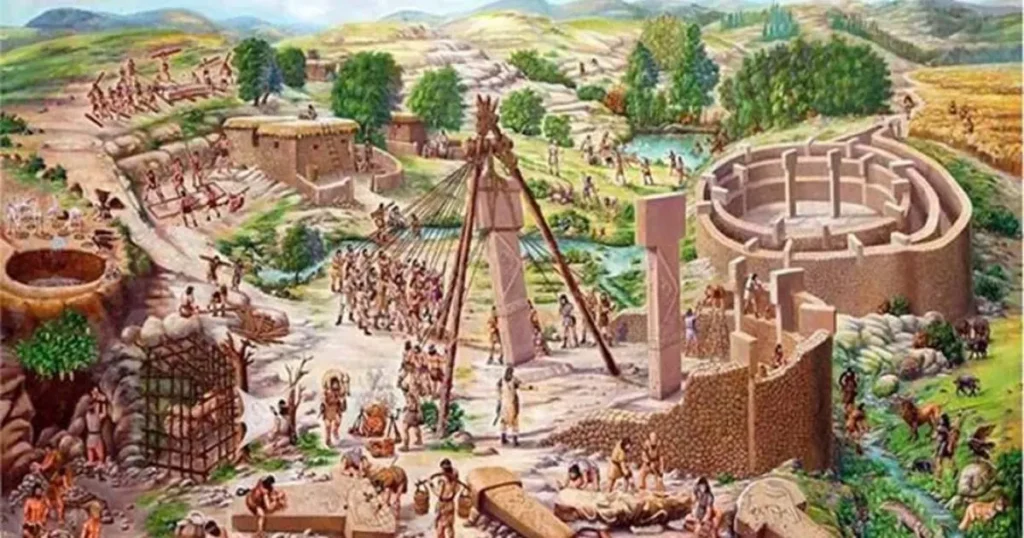
Göbekli Tepe: Significance of the World’s First Temple
Long before the pyramids were raised or Stonehenge cast its shadow over Salisbury Plain, in the dry hills of southeastern Turkey, human hands carved something extraordinary. At a time when our ancestors still hunted wild animals and gathered wild grains, they came together for something bigger than survival: ritual, worship, and memory. That place is…
-

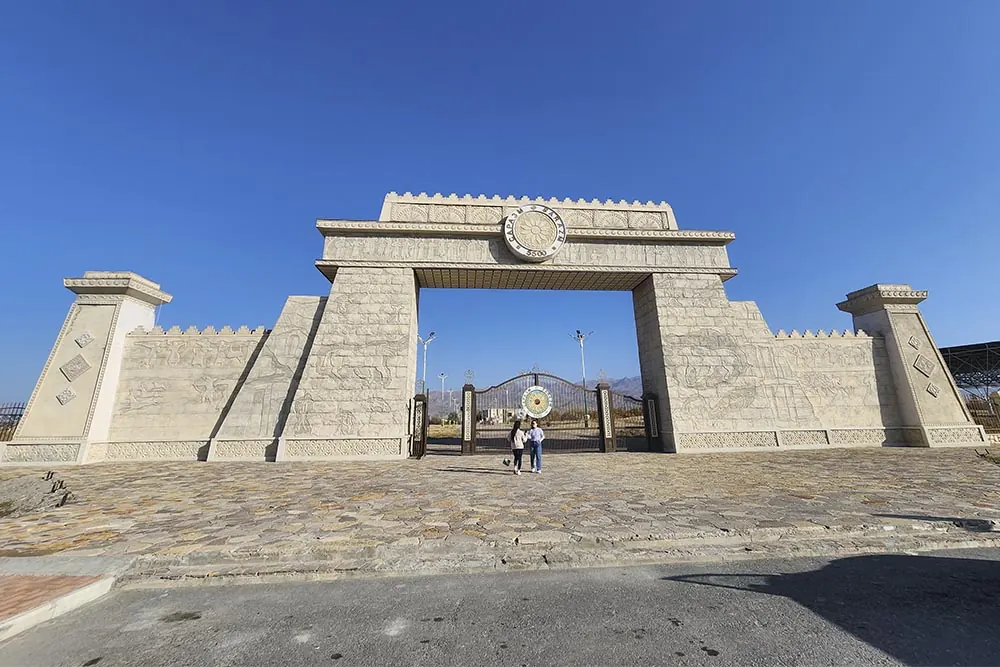
Bronze Age Sarazm: Tajikistan’s Forgotten Ancient City
In the golden cradle of early human civilization, long before the rise of Babylon or the pharaohs of Egypt, an extraordinary settlement was already thriving in the fertile valleys of Central Asia. Situated near the Zerafshan River in what is now northwestern Tajikistan, Bronze Age Sarazm stands as one of the oldest known urban sites…
-

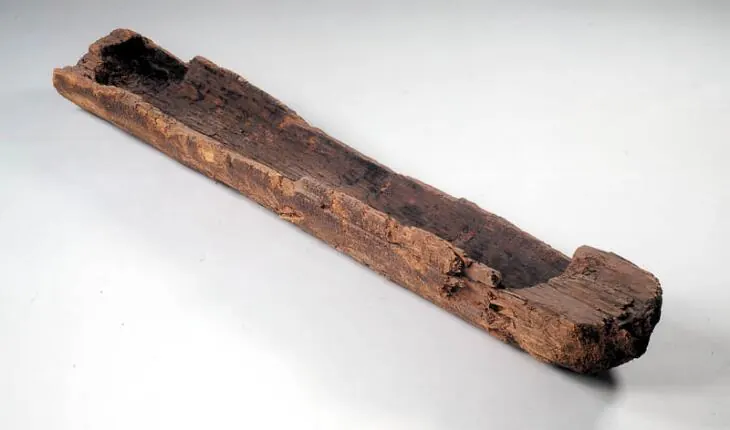
The Pesse Canoe: Exploring the Oldest Canoe in the World
When we think about human innovation, we often imagine fire, the wheel, or the first tools. But one of the most quietly revolutionary inventions was the boat. Long before the printing press or metalworking, humans were carving vessels to glide across rivers and lakes. One such marvel, the oldest canoe in the world, is not…
-

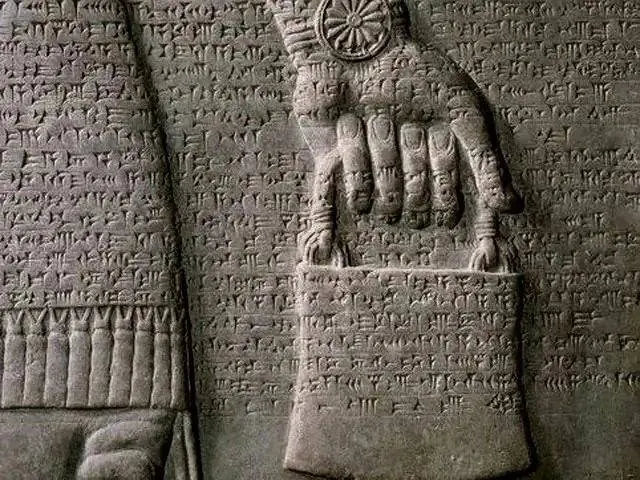
Enigmatic Echoes: Exploring the Ancient Mystery Satchels
Throughout history, some artifacts speak louder through silence than sound. Among these are the ancient mystery satchels—small, often undecorated pouches that show up in archaeological digs from Mesopotamia to Minoan Crete. Though simple in form, their recurrence across unrelated civilizations has left researchers intrigued and mystified. What purpose did these modest containers serve? Why were…
-

Corinthian Rhythm: Greece’s Hidden Beat of Culture and Coast
In Greece, there’s a region where ancient ruins, crystalline waters, and quiet fishing villages pulse to a unique and mesmerizing tempo. This is the Corinthian rhythm — a cultural frequency that captures the soul of the northern Peloponnese and the Gulf of Corinth. Unlike the tourist-packed destinations of Athens or Santorini, the Corinthian rhythm offers…
-

Ancient Prophecies That Came True: When the Future Was Foretold
For thousands of years, civilizations across the globe have attempted to decode the mysteries of the future. From sacred oracles to dream interpretations and celestial signs, prophecy was not only a spiritual practice—it was a source of power, fear, and social order. Surprisingly, there are many ancient prophecies that came true, predictions that eerily aligned…
-

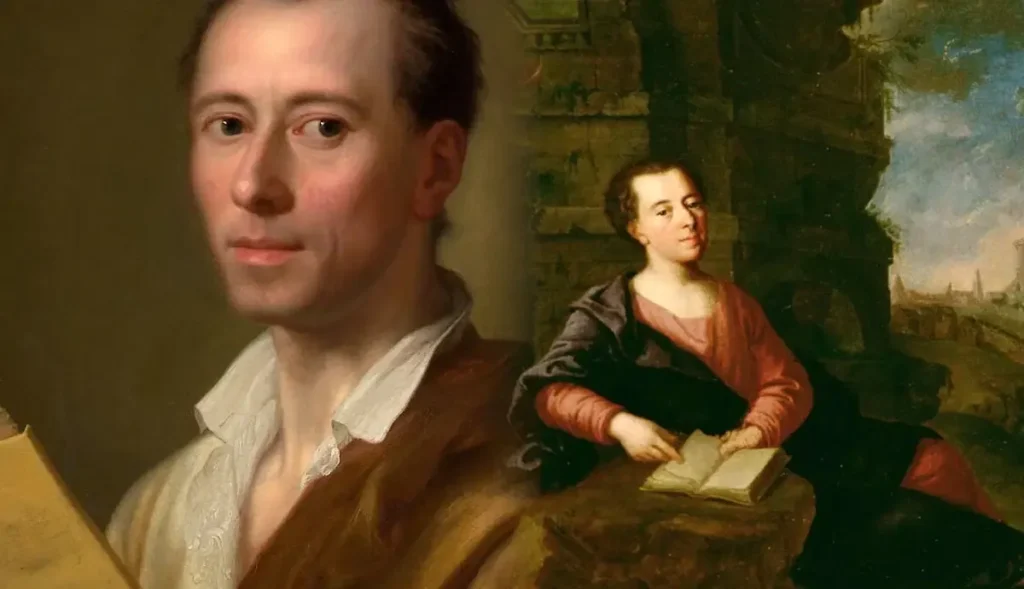
Johann Joachim Winckelmann: the father of classical archaeology and his enduring influence
In the mid-18th century, amid the stirring cultural bloom of the Enlightenment, emerged Johann Joachim Winckelmann: scholar, aesthete, and curator. His name has become synonymous with the study of Greco-Roman antiquity, earning him the title father of classical archaeology. This article explores his life in vibrant detail—his intellectual journey, groundbreaking methodology, artistic philosophy, and lasting…
-

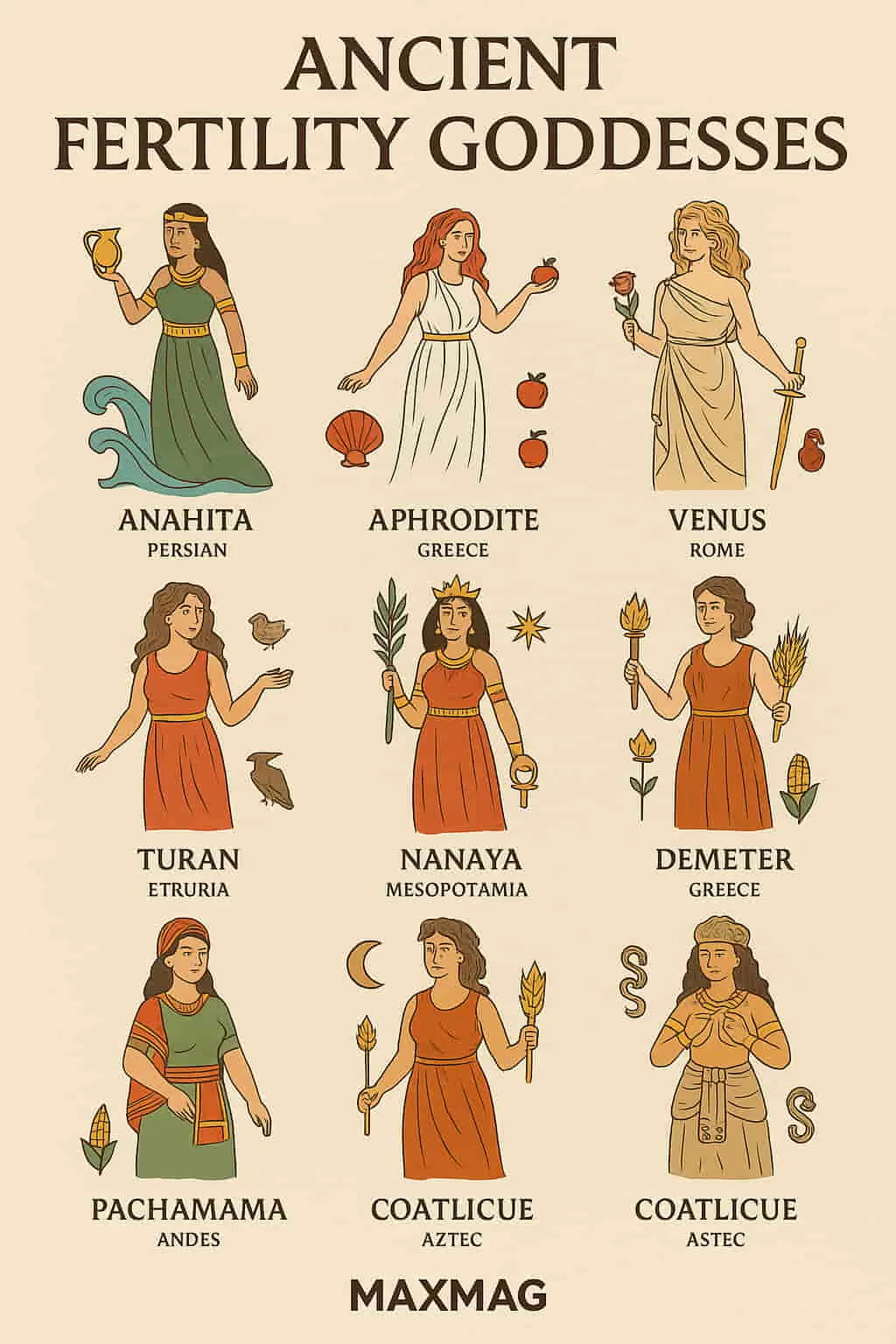
The Divine Feminine: Ancient Fertility Goddesses Meaning Across Cultures
Across thousands of years and continents, the ancient fertility goddesses meaning has been a powerful symbol of human existence, reflecting humanity’s deep connection to nature, reproduction, love, and transformation. These goddesses were worshipped not only as spiritual figures but also as embodiments of the life force that drives creation and renewal. Ancient civilizations—Mesopotamian, Egyptian, Greek,…
-

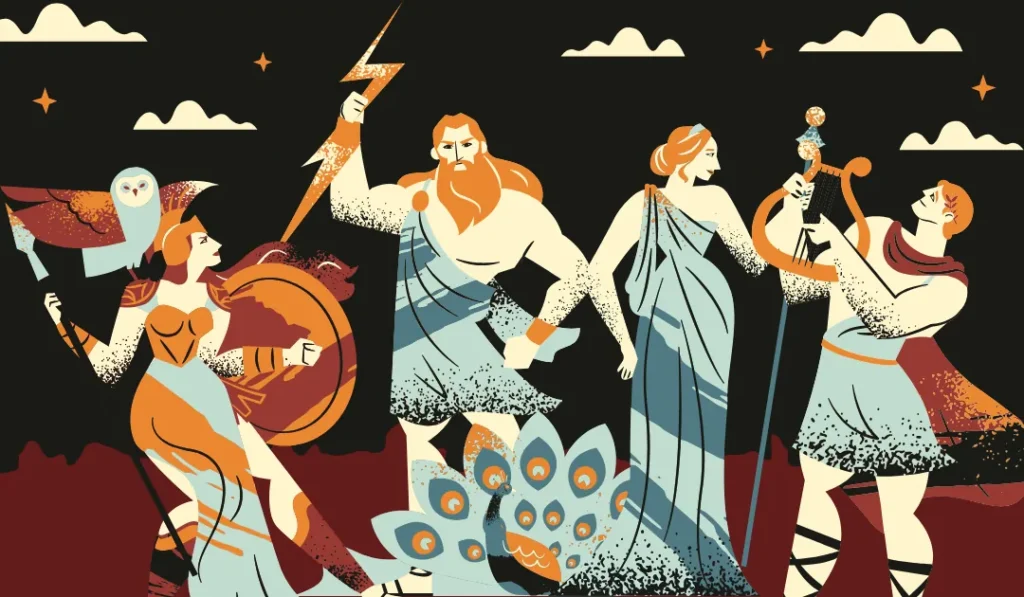
Bible Greek Mythology Parallels: Shared Myths Across Time
For centuries, scholars, theologians, historians, and mythologists have explored the rich and intriguing connections between religious texts and mythic narratives. Among the most captivating comparisons are the Bible Greek mythology parallels—overlaps in themes, characters, and cosmic frameworks between the Judeo-Christian Bible and the mythological tales of ancient Greece. While these texts were produced by vastly…
-

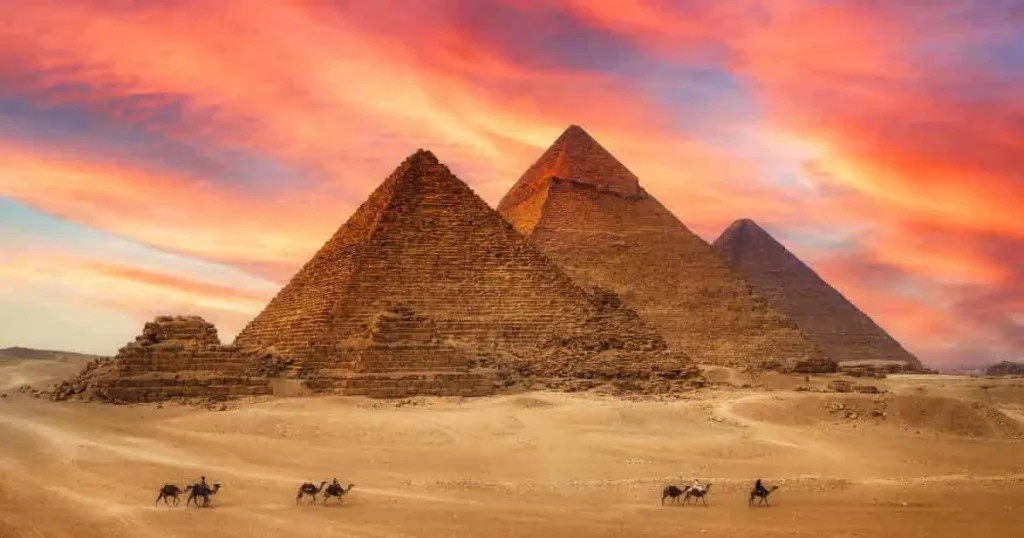
How the Pyramids Were Built: Ancient Pyramid Construction Methods Revealed
The Egyptian pyramids stand as the most iconic structures of the ancient world, inspiring awe and mystery even after thousands of years. What makes them even more astonishing is that no comprehensive manual or record exists to explain precisely how they were constructed. As modern researchers continue to investigate the ancient pyramid construction methods, it…
-

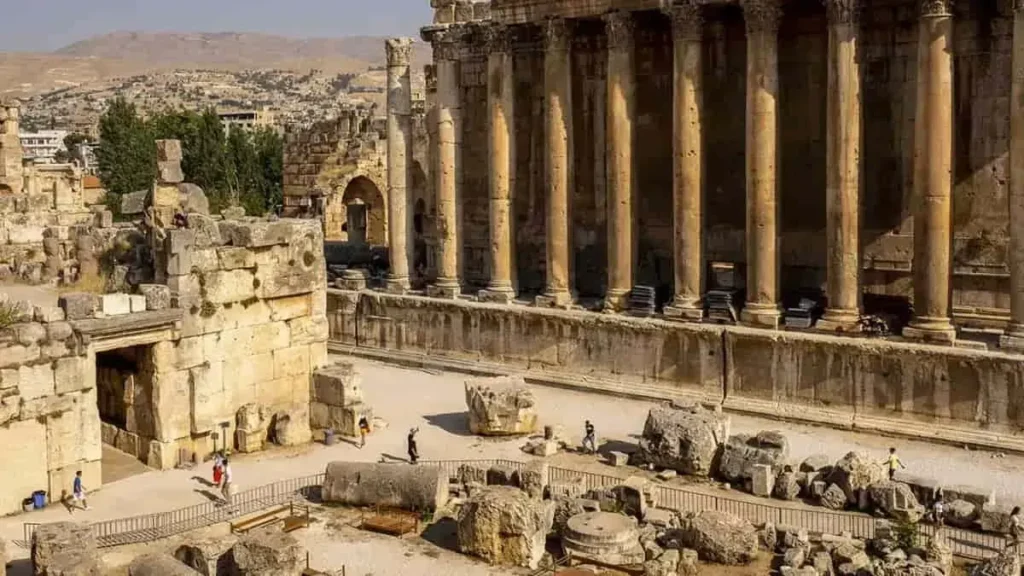
Temple of Dionysus in Baalbek, Lebanon: A Forgotten Wonder of Ancient Worship
Tucked behind the soaring colonnades of Baalbek’s Temple of Jupiter lies a lesser-known marvel, equally grand in cultural and artistic value: the Temple of Dionysus in Baalbek, Lebanon. Unlike its towering sibling, this sacred structure dedicated to the god of wine and ecstasy is not about overwhelming scale but about intimacy, mythic symbolism, and astonishing…
-

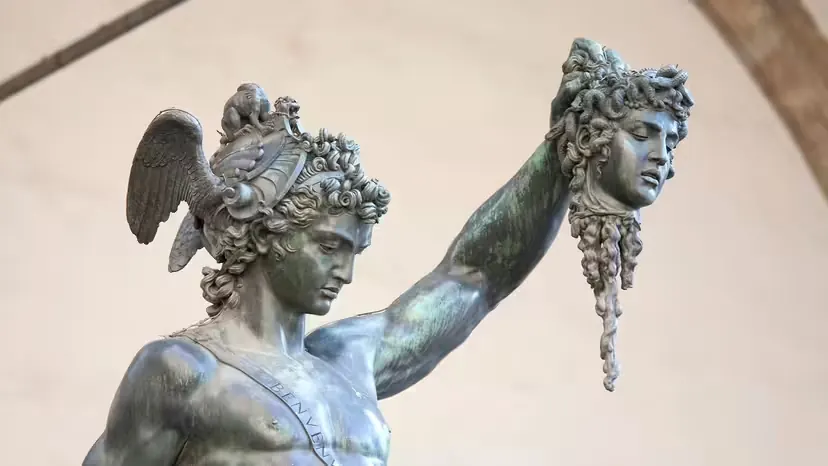
The Metamorphoses in Greek Mythology: Transformations of Gods, Heroes, and Mortals
Early in Greek mythology, the concept of mythological metamorphosis emerges as a powerful symbol of change and destiny. From gods altering their form to humans punished or rewarded through transformation, these stories have endured as fundamental pillars of Western cultural heritage and symbolic storytelling. In this article, we explore transformation myths—the selected SEO keyword—examining their…
-

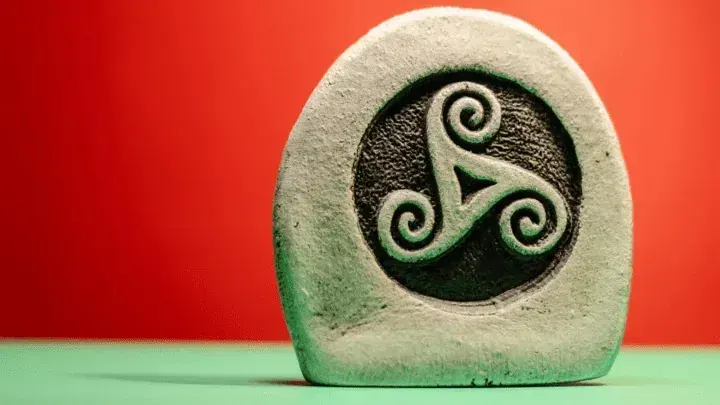
The Timeless Power of the triskelion meaning ancient symbol
From sunlit prehistoric carvings to today’s body jewelry, the triskelion meaning ancient symbol bridges millennia of human creativity. Also known as triskele or triple spiral, this motif—a swirl of three arms emanating from a center—speaks of motion, rebirth, and balance. Its story spans continents and cultures, including Neolithic Europe, ancient Greece, Celtic rites, and modern…